From Sober Curious to Sober Lifestyle: Modern Habits Explained
This is something that was initially earmarked as an individual exercise but has transformed into a lifestyle movement. There are professionals, creators, and health enthusiasts that are opting for a lifestyle that is focused more on wellness than on their past habits. This is essentially indicative of a larger cultural dialogue.
Within the world of the wellness space, there are leaders like Ruby Warrington who popularized the notion that sobriety does not have to come from a place of crisis. Rather, sobriety is something about which individuals can take a proactive stance. No longer is sober living something considered niche within our popular culture.
No, sobriety is quickly becoming something considered mainstream and respectable.
What is the Sober Curious Mindset?
Sober curious, it seems, is all about having a particular mindset.
The mentality resonates with individuals that identify as functional but unfulfilled in their drinking lives. Many are not identifying as typical recovery candidates but are wanting change. Sober curiosity provides a platform to explore these feelings without judgments and shame.
This adaptability makes this approach accessible. One can reduce their drinks during weekdays, social gatherings, or times of stress and see how their body reacts.
Awareness Without Judgment
Sober curiosity promotes being observant, not being overly restrictive. People become aware of patterns or triggers associated with alcohol.
This realization can prompt gradual behavioral changes that feel deeply personal and empowering.
A Gateway to Lifestyle Change
For many people, sobrious curiosity progresses naturally to long-term sobriety. As the benefits are realized, their motivation changes.
Cultural and Social Factors for the Shift
Cultural attitudes surrounding alcohol use are also altering. Newer generations, for instance, are focusing on wellness. The sober way of life has become visible and desirable.
Conversations surrounding sober living have become normalized, thanks to podcasts and wellness blogs.
Another factor that has a role to play in this area is the culture that certain workplaces promote. For example, the culture that sees the benefits and perhaps the need for increased concentration and determination would not condone late nights out with drinks.
Redefining Fun and Relaxation
Man seems to be exploring new avenues that can serve the actual needs to unwind without using alcohol. The focus has shifted.
The change aids in breaking the connection established between alcohol and enjoyment.
Shifting Social Norms
- Wellness-focused lives
- Open discussion of mental health
- Alcohol-free social spaces
- Changing Generational Values
Health and Mental Clarity Benefits
Physical changes are also common. Drinking less or no alcohol can result in better sleeping patterns, digestion, and greater stability of energy levels. These effects are generally experienced within weeks.
Another major benefit of having alcohol-free days is that one would be able to have mental clarity. The mood swings that come about as a result of having alcohol would be completely avoided.
Alcohol tends to amplify the high and low of emotions. The removal of it provides an atmospheric improvement.
Physical Health Improvements
The human body heals much better without constant alcohol intake. Inflammation and dehydration are reduced.
- Improved sleep quality
- Clearer Skin
Social Life and Connection
Perhaps the biggest worry when moving toward a sober living path is the impact on the social life.
Modern social culture is embracing alcohol-free options. Restaurants, cafes, and arenas are supporting non-drinkers, which simplifies engagement.
Sooner or later, socializing soberly within a community can facilitate better conversations and better memories. One can feel more connected and not drained after socializing soberly.
Navigating Events and Friendships
Social events may pose a challenge, particularly if drinking plays a central role. Selection of supporting environments ensures that comfort does not hinder relationships.
Dating and Connection Without Drinking
Dating sober promotes genuine and authentic talk. Effective and honest communication is maintained.
Modern Non-Alcoholic Alternatives
Sober living has caused tremendous changes to the drink market. Drinks are not just sodas or juices.
Now, premium beverages can be similar to or function as traditional ones. They facilitate participation while maintaining its clarity.
This change can also be attributed to shifts in consumer values, where moderation is emphasized.
Redefining the Drinking Experience
The ritual of social drinking is not breached in non-alcoholic drinks. The properties of the drink, such as its appearance and taste, remain.
Habits that Promote a Sober Way of Living
Supportive living habits are needed for the transition from sober curious to sober living. Sober living often requires new approaches for relaxing and relieving stress.
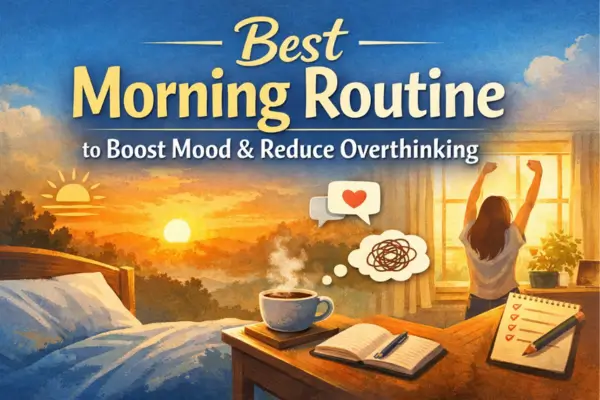
Gains are often evident first with the morning routine. Having better sleep leads to better mornings, and this boosts other mornings.
Another area of significant change is with regards to the evenings.
Replacing Alcohol-Centered Ritual
The rituals give assurance. Changing drinks is an option for developing emotional stability.
Activities such as making tea, walking, and reading have the same soothing effects.
Supporting Long-Term Stability
Structuring the day eliminates decision fatigue and temptation. Daily routines affirm a new sense of self.
Conclusion
What commences as being curious develops into being clear. This illustrates that being clear involves being intentional and making decisions.
The gains make sober living not such a loss but rather a step up. As social space, brands, and wellness dialogue advance, living a sober lifestyle becomes more convenient and culturally tolerated.
Essentially, the path to sobriety, to being clear, healthy, and connected, is one of alignment. For many, sobriety comes to represent an engaging style of living.