Digital Goal Tracking: Best Apps to Keep Your Intentions on Track
Criteria for Choosing the Right GoalTracking App
When it comes to choosing an app for goal-tracking, although popularity can play a role, what an app actually does in line with an individual’s thoughts, plans, and reviews has a bigger part to play in creating the right goal-setting scenario than the viability or popularity of the app in the first place. Ease of use is a vital consideration in any application. Applications with user-friendly interfaces promote high usage on a daily basis. Too complicated an application may cause a user to stop using a potentially efficient application altogether.
Core Features That Actually Matter
Consistency is a function of how easily a user can record actions and retrieve progress in an application. For an app to be an effective goal-tracking tool, various features are essential; these include goal visualization and reminders. Visual cues, including streaks and charts, can be very influential in keeping the users motivated.
- Flexible goal types for short/long term planning
- Automatic updating in progress visualization
- Custom reminders and notifications
Privacy, Syncing, and Platform Support
Data security is also an issue when achieving personal goal tracking. Legitimate applications offer robust security through the use of encryption technologies. Finally, syncing options across platforms ensure easy access across different devices. For instance, apps that work well with a calendar, wearable, or a productivity app minimize the drudgery while helping the user achieve consistency over time.
Best Apps for Habit Building and Daily Intentions
Habit-focused applications are built in such a manner that repetition and consistency are mainly encouraged, not complex and elaborate schemes for completion. Setting goals requires mental pressure through activities such as visualization, among others.
When do Habit Apps Work Best?
These are the ideal apps to use when you have goals that involve repetition rather than results. These are particularly useful and effective for beginners. A key consideration for the achievement of long-term successes is the necessity that habit-building applications be used with periodic reflections on their alignment with overall life objectives.
Top Tools for Long-Term Personal and Career Goals
Long-term objectives need structure and flexibility. In addition, they need clearly defined milestone objectives. The benefits of these programs may not be like those of habit apps. The difference is that they concentrate on planning and the review of progress.
For example, tools like Notion or Todoist have widespread usage for personal development as well as career goals. These tools allow for a user-friendly customization of goals, breaking them down, as well as tracking their completion.
Planning and Milestone Tracking
“Apps in this category support ‘layered planning,’ in which a goal is broken into manageable steps or elements of a goal can be segmented into individual elements of a project.” Timely progress checks promote such strategy rather than reactive goal revisions.
Productivity Apps for Work or Project Goals
Productivity-based goal-tracking applications allow for the organization of tasks, time constraints, and priorities within an environment of orderliness. These applications are more beneficial to busy professionals with multiple tasks to handle and with long-time commitments to keep up with. Tools such as Asana and Trello make goals more visible through day-to-day activities.
Turning Goals Into Executable Tasks
Productivity apps will prove to be most useful once goals have clearly been defined and broken down into smaller tasks. The dependencies of tasks and their due dates help individuals focus their priority tasks appropriately. This structure helps minimize procrastination because it does not introduce ambiguity in the context of progress.
Focus, Review, and Prioritization
A number of these sites also include weekly reviews and priority views. Such features allow individuals to review their loads and make the necessary changes before the onset of undue stress. Developing consistent habits of reviewing transforms productivity applications from task lists to effective goal management tools.
Automation and App Integrations for Smart Tracking
Automation is an essential component of tracking sustainable goals. Apps can function together to reduce the time taken to log information and concentrate more on acting on information. Tools like Zapier and Google Calendar connect goals, reminders, and progress reports into an interconnected method.
Reducing Manual Effort
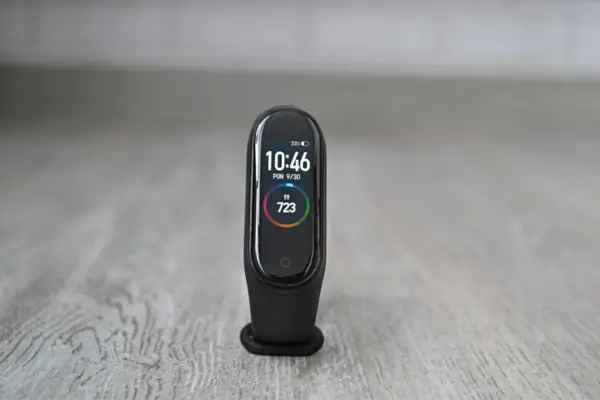
Automated tracking collects information from wearable technology, calendars, or task managers. This minimizes human forgetfulness while keeping information accurate. The less the effort, the higher the adherence level, especially among those trying to attain multiple goals.
How to Stay Consistent with Digital Goal Tracking
- Limiting the number of active goals established
- Using reminders judiciously
- Weekly evaluation instead of daily analysis
Adjusting Goals without Quitting
Goals change as priorities change. Revising a timeline or goals is a sign of awareness, not failure. When tracking systems allow flexibility, individuals are more likely to progress rather than abandon goals entirely.
Apps are only as useful as the goals you bring to them. If you’re not sure your goals are pointing in the right direction, Mindful Goal-Setting is worth reading first.
Conclusion
For effective goal tracking in the digital world, technology should supplement intention rather than substitute it. Effort and reflection yield substantive progress, not the application alone. The right tool eliminates mental noise, supports prioritization, and helps transform goals from desires into outcomes over time.